Posted on Leave a comment

Coffee and Weight Loss: Mechanisms, Evidence, and Practical Strategies

Coffee and Weight Loss: Mechanisms, Evidence, and Practical Strategies

Coffee and Weight Loss: Mechanisms, Evidence, and Practical Strategies

Coffee, derived from roasted Coffea seeds, is frequently explored for its role in weight reduction coffee. Many wonder: can coffee help you lose weight? This article examines whether drinking coffee helps you lose weight, focusing on black coffee’s potential to support fat loss and addressing common queries such as can black coffee help you lose weight and does coffee make you lose weight.

How Coffee Supports Weight Loss

Black coffee for weight loss works primarily through caffeine, which boosts metabolism and promotes fat burner coffee effects. Does black coffee help you lose weight? Yes—studies show that caffeine increases energy expenditure, aiding black coffee and fat loss. For those asking can drinking coffee help you lose weight, the answer lies in its ability to enhance fat oxidation when consumed without additives.


A key question is black coffee weight loss in how many days? While individual results vary, consistent intake of black coffee for weight loss alongside a calorie deficit can contribute to noticeable changes within 4–12 weeks. However, does black coffee make you lose weight alone? No—diet and exercise remain essential.

Optimal Timing and Usage

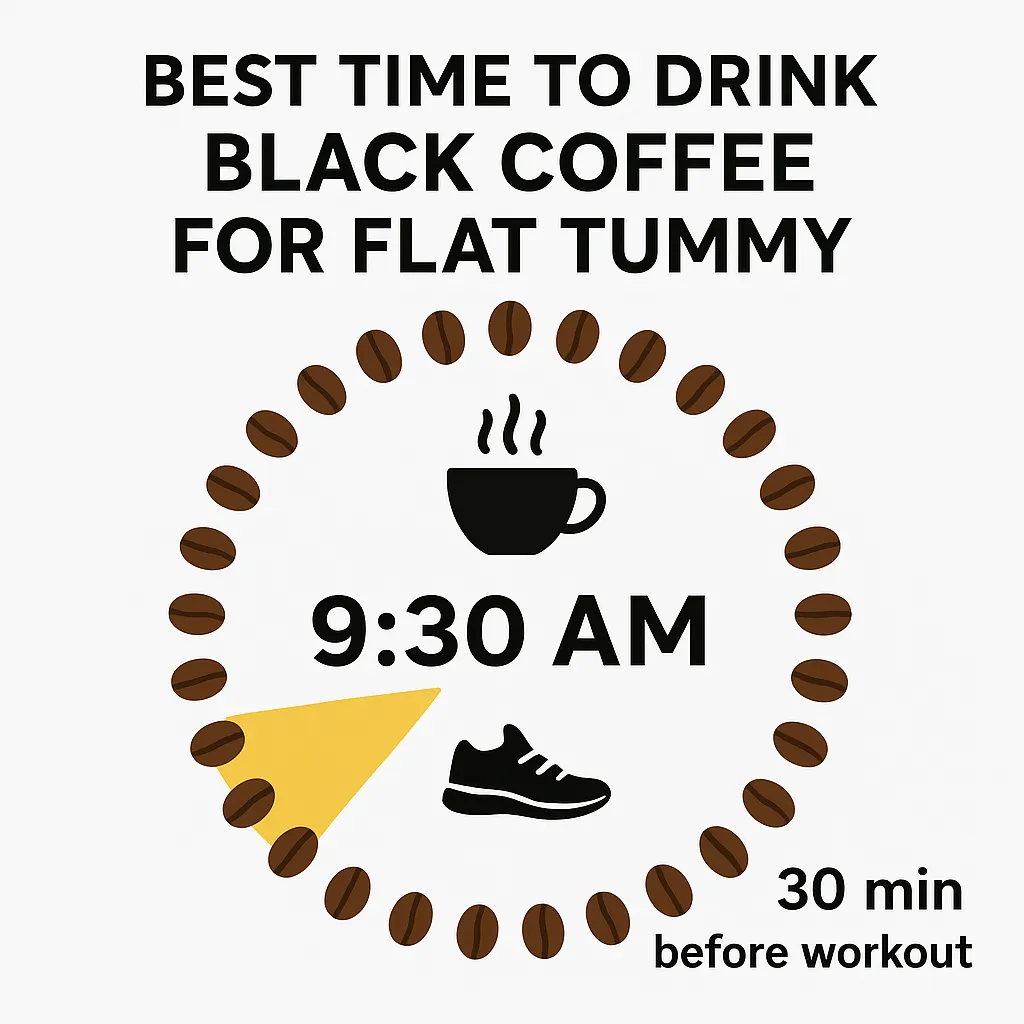
The best time to drink black coffee for flat tummy is 30–60 minutes before exercise or mid-morning, aligning with natural cortisol peaks to maximize black coffee for weight loss. Can black coffee burn fat? Absolutely, by stimulating lipolysis and thermogenesis.


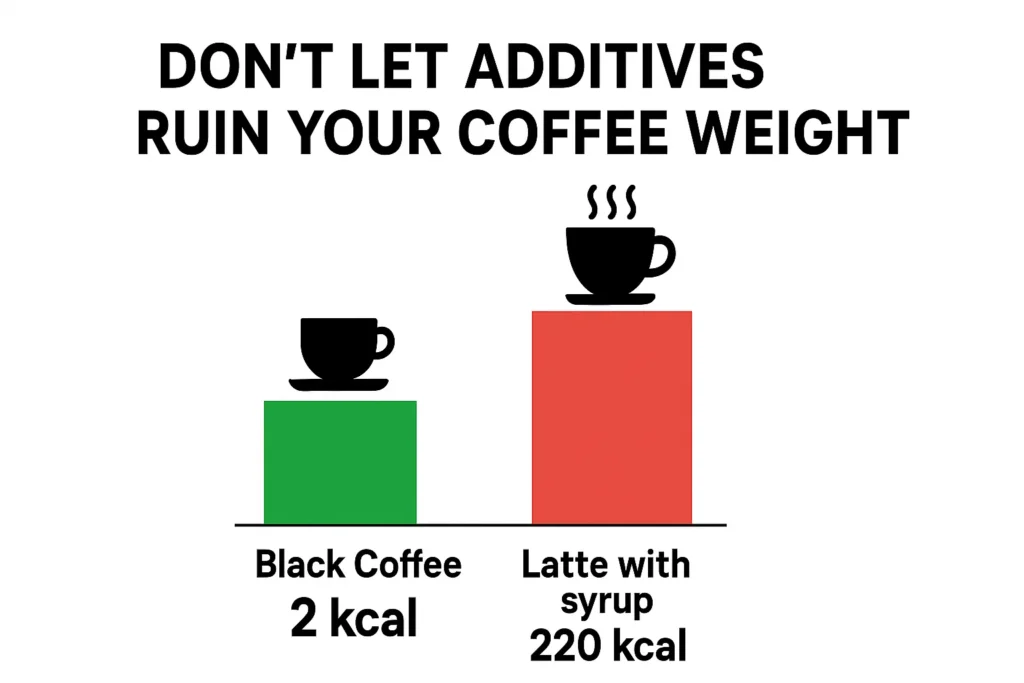
For those concerned about coffee weight gain, rest assured: pure black coffee contains negligible calories. Can coffee make you gain weight only if sugar, cream, or syrups are added. Similarly, caffeine pills help you lose weight in controlled doses, but whole coffee provides additional benefits from chlorogenic acids.

Addressing Common Concerns

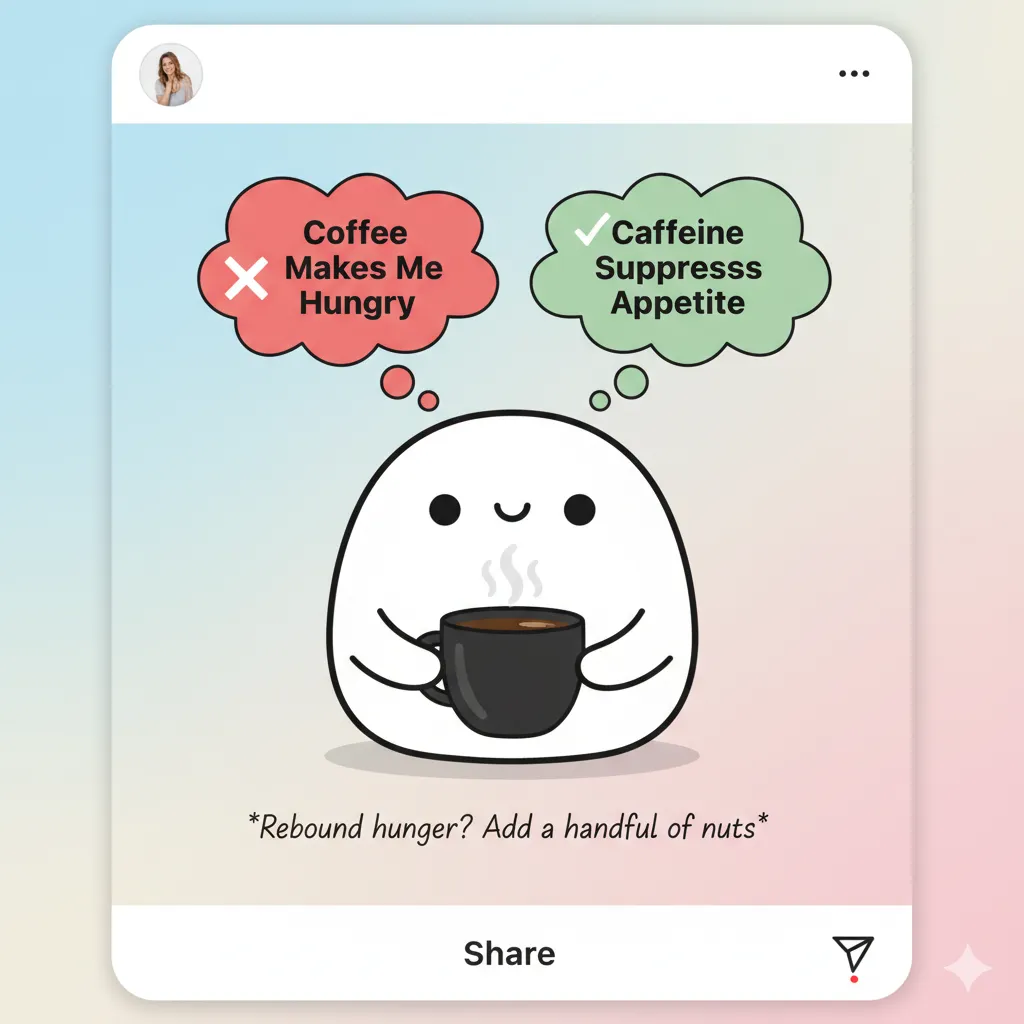
Why does coffee make me hungry? Caffeine can suppress appetite short-term, but rebound hunger may occur in some individuals.
Does drinking black coffee for weight loss cause drinking coffee losing weight? Yes, when part of a structured plan.
Does coffee make you hungry or does coffee help you lose weight? Effects vary—most experience reduced appetite.
Coffee makes me hungry is less common than coffee to reduce weight.
Will coffee make you gain weight? Only with caloric additives.
Is coffee good for weight loss? Yes, especially black coffee and fat loss.

黑咖啡减肥常见问题解答表

Black Coffee Weight Loss Q&A

Query Answer Summary
best time to drink black coffee for flat tummy Pre-workout or mid-morning for optimal fat mobilization.
can black coffee help you lose weight Yes, supports fat burner coffee and calorie-free energy.
black coffee for weight loss Effective in deficit; expect gradual black coffee weight loss in how many days.
does black coffee help you lose weight Promotes black coffee and fat loss via thermogenesis.
can coffee make you lose weight Indirectly—boosts metabolism, not a standalone solution.
does drinking coffee help you lose weight Yes, especially drinking black coffee for weight loss.
can drinking coffee help you lose weight Supports coffee to reduce weight when unsweetened.
drinking coffee losing weight Achievable with consistency and lifestyle alignment.
black coffee and fat loss Enhances can black coffee burn fat through lipolysis.
do caffeine pills help you lose weight Yes, but coffee offers synergistic compounds.
coffee makes me hungry / why does coffee make me hungry Rare; usually suppresses appetite initially.
is coffee good for weight loss Affirmative for weight reduction coffee in moderation.
coffee for fat loss Proven adjunct in research.

Practical Recommendations

To maximize coffee for fat loss:

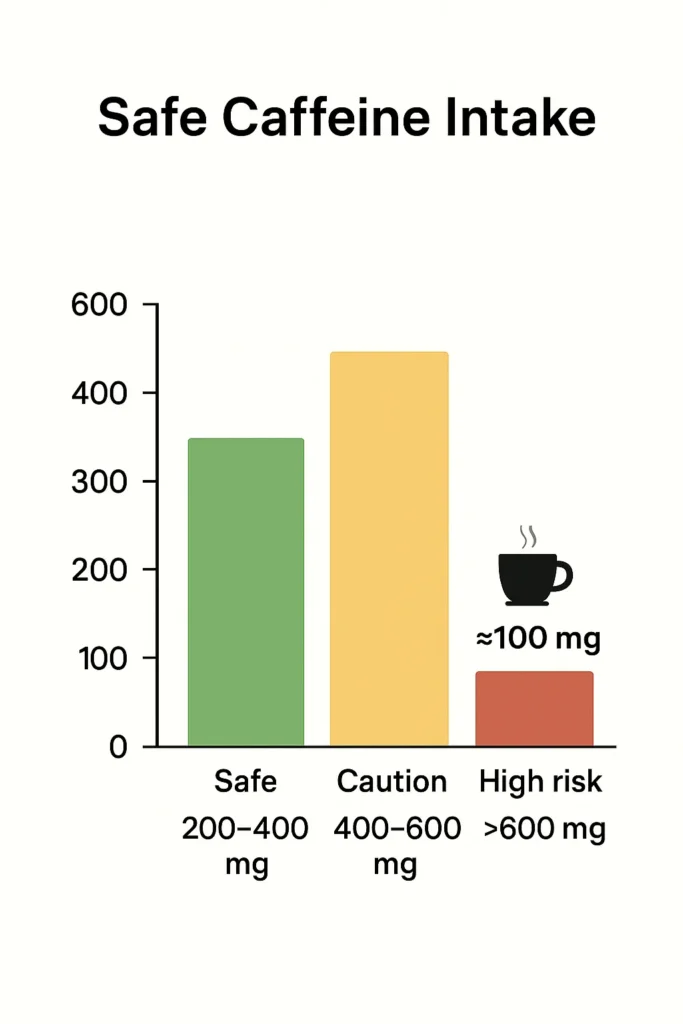
⦁ Drink 2–4 cups of black coffee daily (200–400 mg caffeine).
⦁ Avoid additives to prevent coffee weight gain.
⦁ Cycle intake to sustain sensitivity.
⦁ Combine with exercise for amplified black coffee help you lose weight effects.

7天黑咖啡减肥计划表

7-Day Black Coffee Weight Loss Plan

Mon Tue Wed Thu Fri Sat Sun
2 cups black coffee
30 min exercise
500 kcal deficit

Conclusion

Can coffee help you lose weight? Yes—drinking coffee helps you lose weight when used strategically as black coffee for weight loss. It supports fat burner coffee mechanisms without causing coffee weight gain if kept pure. While black coffee weight loss in how many days varies, consistent, informed use positions coffee as a valuable tool in weight reduction coffee and coffee to reduce weight journeys.

To join our mailing list and never miss event update!

Please enable JavaScript in your browser to complete this form.
Posted on Leave a comment

The Potential Side Effects of Coffee on Heart Health: Insights for Coffee Enthusiasts

The Potential Side Effects of Coffee on Heart Health: Insights for Coffee Enthusiasts

The Potential Side Effects of Coffee on Heart Health: Insights for Coffee Enthusiasts

Coffee remains one of the most cherished beverages worldwide, prized for its invigorating aroma and energizing properties. However, for individuals sensitive to its primary active compound, caffeine, consumption may introduce certain cardiovascular risks. This article examines the potential side effects of coffee on heart health, drawing from established medical research. While moderate intake—typically up to 400 mg of caffeine daily, equivalent to about four cups of brewed coffee—is generally safe for most adults, excessive or sensitive consumption can lead to elevated heart rate after eating, heart palpitations, and other concerns. Understanding these effects empowers consumers to make informed choices.

Understanding Caffeine's Mechanism on the Cardiovascular System

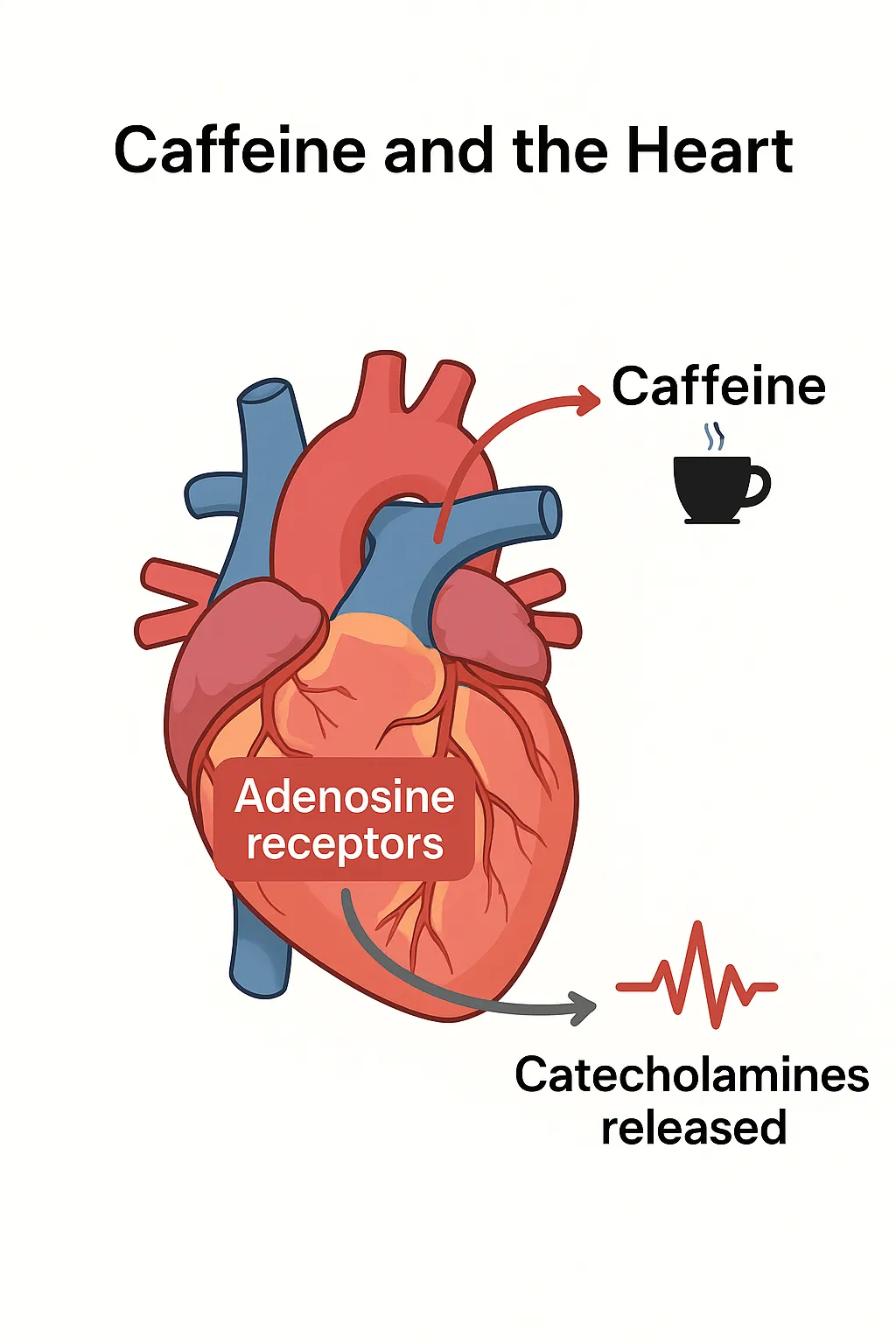
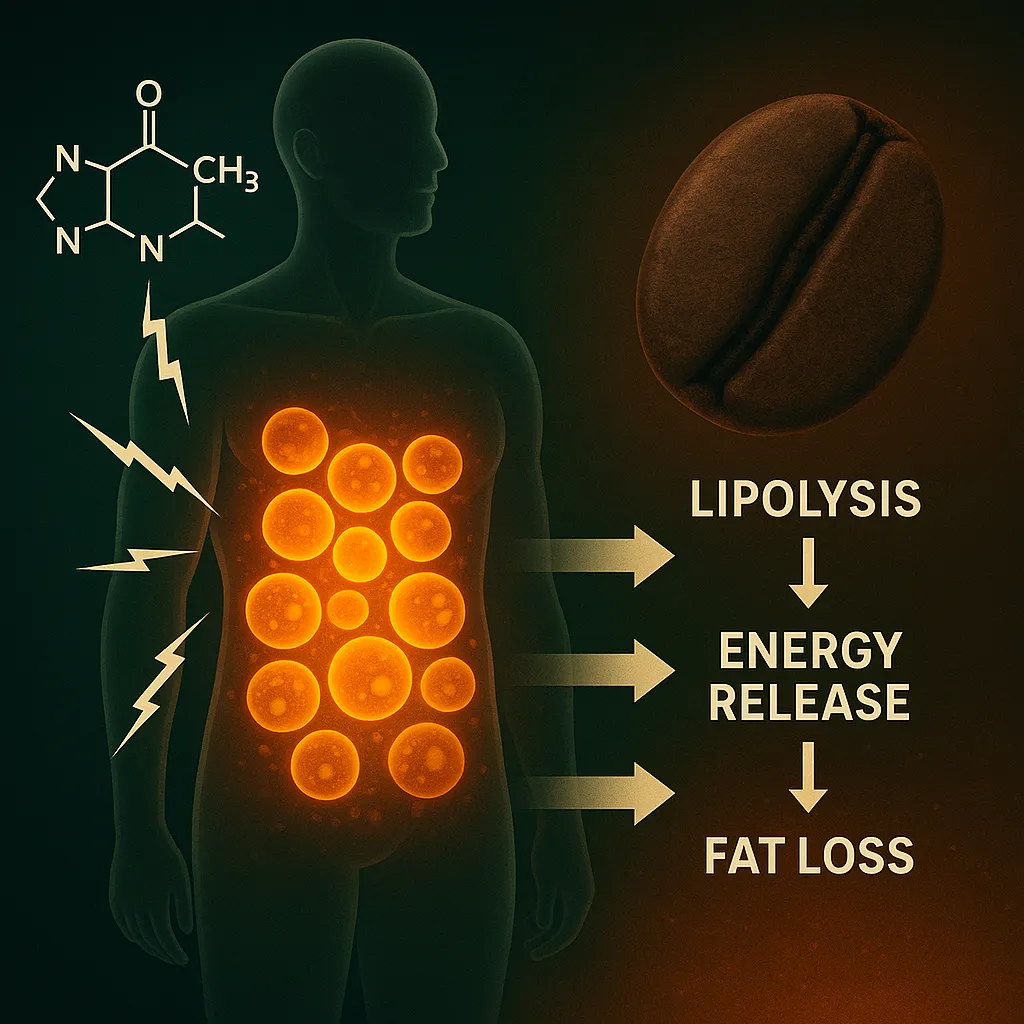
Caffeine, a central nervous system stimulant, influences the heart by blocking adenosine receptors, which normally promote relaxation and vasodilation. This antagonism triggers the release of catecholamines such as norepinephrine, resulting in heightened sympathetic nervous system activity. Consequently, it can elevate heart rate and blood pressure temporarily, particularly in non-habitual users or those with underlying sensitivities. Studies indicate that caffeine may also inhibit phosphodiesterase enzymes, increasing cyclic AMP levels and enhancing cardiac contractility, which amplifies the force of heartbeats. For many, these changes are benign and transient, but in susceptible individuals, they manifest as noticeable symptoms.

Key Side Effects: Heart Rate Elevation and Palpitations

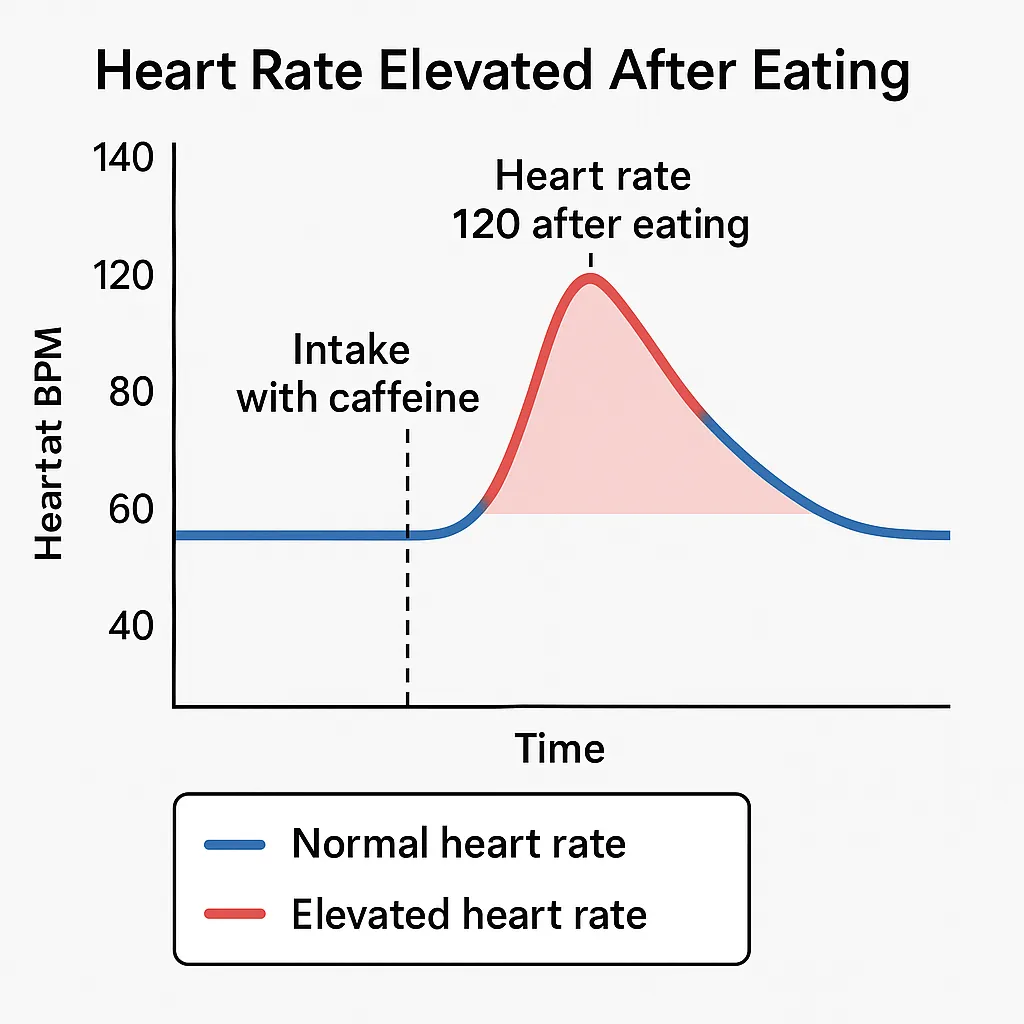
One of the most commonly reported issues is an increased heart rate after eating, particularly when coffee is consumed alongside meals. Postprandial heart rate elevation occurs as the body redirects blood flow to the digestive system, a process that caffeine can exacerbate by stimulating adrenaline release. Research shows that caffeine can raise systolic and diastolic blood pressure acutely, with additive effects during stress or digestion, potentially leading to a heart rate of 120 after eating in sensitive cases. This phenomenon, often described as heart rate rises after eating or heart rate elevated after eating, is more pronounced in those with borderline hypertension or a family history of cardiovascular issues.

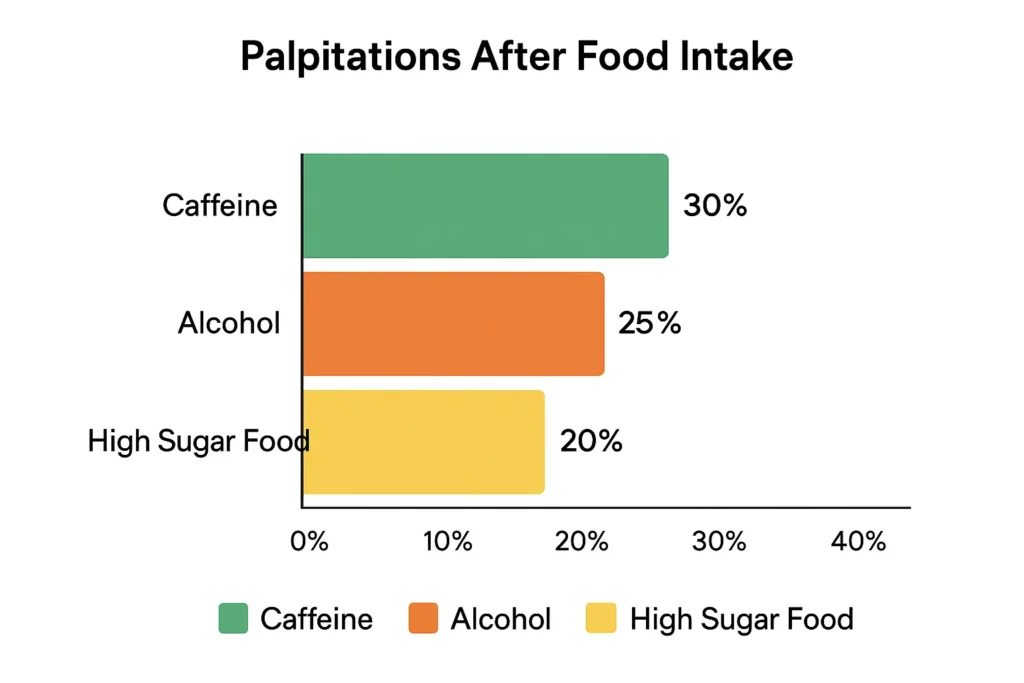
Heart palpitations, or irregular sensations of fluttering or pounding, represent another frequent concern. Caffeine heart palpitations arise from premature ventricular contractions (PVCs), where the heart skips beats, potentially increasing by up to 54% on days of higher intake. Does caffeine increase heart rate? Affirmatively, it does, especially at doses exceeding 300 mg, though tolerance develops over time in regular consumers. For some, this manifests as palpitations after food intake, compounded by coffee’s interaction with dietary stimulants.

Additionally, caffeine may contribute to chest pain in rare instances, often misattributed to cardiac events but linked to heightened vascular tone or esophageal spasms induced by stimulation. Can caffeine cause chest pain? While not a direct cause of structural damage, it can mimic such symptoms through elevated blood pressure and heart rate.

Is Caffeine Bad for Your Heart? A Balanced Perspective

The query “is caffeine bad for your heart” elicits a nuanced response: no, for the majority, but yes for specific subgroups. Moderate coffee consumption correlates with reduced risks of coronary heart disease and stroke, attributed to antioxidants like polyphenols that mitigate inflammation. Is coffee good for your heart? Evidence suggests benefits at 1-3 cups daily, including lower incidence of atrial fibrillation over time. However, chronic high intake (>600 mg/day) disrupts parasympathetic recovery, sustaining elevated heart rate and blood pressure post-activity, heightening cardiovascular disease risk.

High heart rate after eating or heart rate increase after eating is a common variant, often benign but warranting attention if persistent. Does heart rate increase after eating? Yes, physiologically, due to digestive demands, but caffeine amplifies this in vulnerable populations.

Foods to Avoid if You Have Heart Palpitations

To mitigate risks, particularly for those with heart palpitations, certain dietary adjustments are advisable. Foods to avoid if you have heart palpitations include:

Foods to Avoid for Heart Palpitations
Category Examples Rationale
High-Caffeine Beverages Coffee, energy drinks, black tea Stimulates heart rate and can trigger palpitations.
Alcohol Wine, beer, spirits Dehydrates and disrupts electrolytes, exacerbating irregular rhythms.
Sugary Foods Candies, sodas, pastries Causes blood sugar spikes, leading to compensatory heart rate surges.
Spicy Foods Chili peppers, wasabi Capsaicin activates adrenaline, mimicking caffeine's effects.
High-Sodium Processed Items Deli meats, canned soups Promotes fluid retention and hypertension, straining the heart.
Tyramine-Rich Foods Aged cheeses, cured meats Elevates blood pressure via catecholamine release.

Palpitations after food intake can often be traced to these triggers, emphasizing the need for moderation.

Recommendations for Safe Consumption

For optimal heart health, limit caffeine to 200-400 mg daily, monitoring personal tolerance. Track symptoms via a journal to identify patterns, such as heart rate 120 after eating. Consult a healthcare professional if palpitations persist, especially alongside chest pain or shortness of breath, to rule out arrhythmias. Hydration, balanced meals, and stress management further support cardiovascular stability.

In summary, while coffee offers potential benefits, its side effects on heart health—particularly elevated heart rate and palpitations—underscore the value of mindful intake. By integrating these insights, enthusiasts can continue savoring their brew without undue risk.

To join our mailing list and never miss event update!

Please enable JavaScript in your browser to complete this form.
Posted on Leave a comment

How to make a cup of Doppio at home?

Doppio

Doppio is a classic Italian coffee beverage that consists of a double shot of espresso, delivering a robust and concentrated coffee experience. This drink is designed for those who prefer a stronger coffee flavor, offering twice the intensity of a single espresso shot while maintaining its rich aroma and taste.

5 mins

Easy

Hot

4.5 stars

Ingredients

Directions​

1. Grind fresh coffee beans to a fine consistency.
2. Use an espresso machine to brew two shots of espresso, approximately 60 ml in total.
3. Pour the double shot of espresso into a preheated demitasse cup.
4. Serve immediately to enjoy the full strength and aroma of the doppio.

Tip

For an enhanced experience, pair the Doppio with a small glass of sparkling water to cleanse the palate, allowing you to fully appreciate its bold flavor profile throughout your morning or afternoon coffee ritual.

More Recipes

Posted on Leave a comment

How to make a cup of Banana Mocha at home?

Banana Mocha

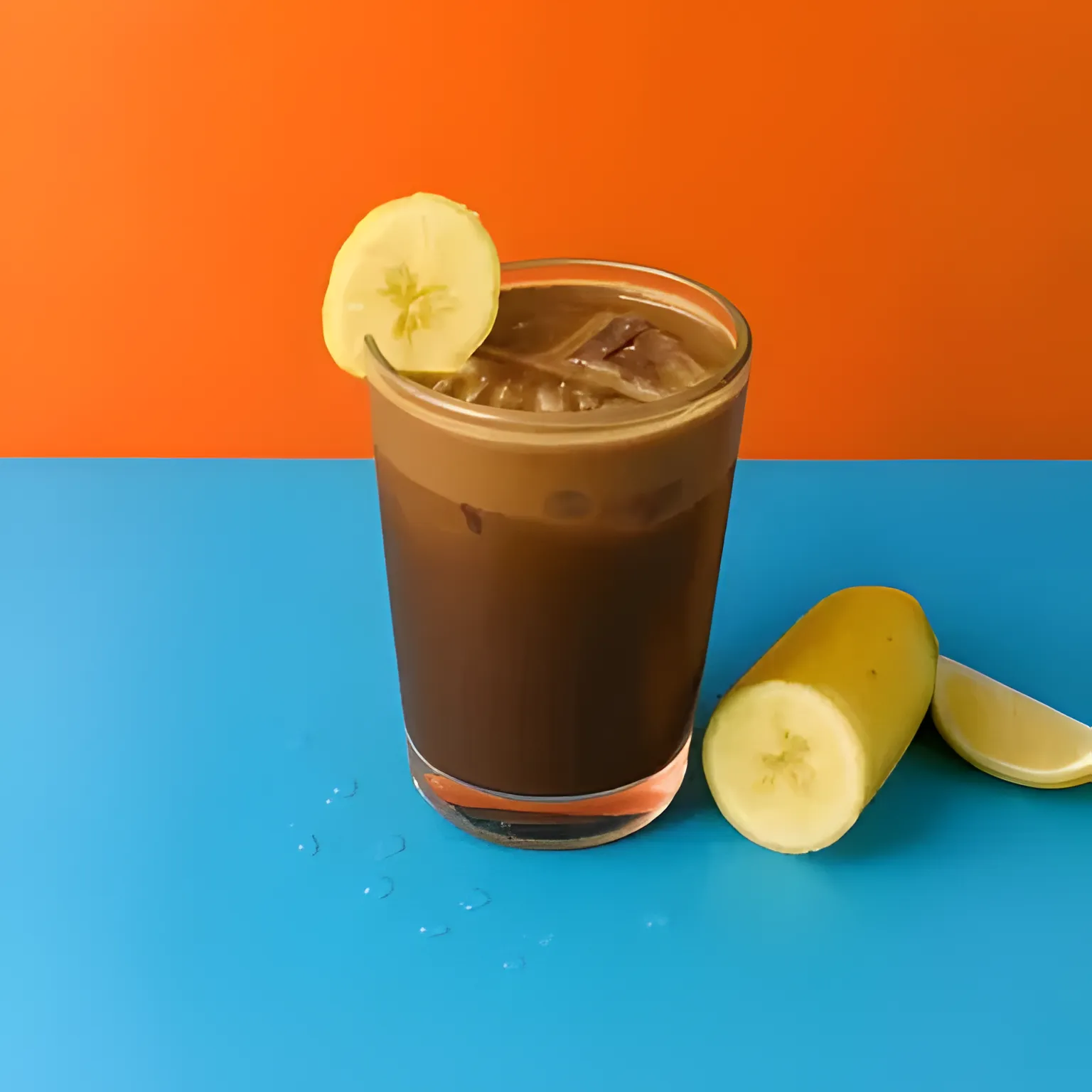
Banana Mocha is a rich and indulgent coffee beverage that combines the deep flavor of espresso with the natural sweetness of banana and the intense taste of chocolate. This drink offers a perfect harmony of coffee, fruit, and cocoa, making it an excellent choice for those desiring a decadent treat.

5 mins

Easy

Iced

4.5 stars

Ingredients

Directions​

1. Brew a shot of espresso using your espresso machine.
2. Fill a glass with ice cubes to chill.
3. Pour the banana puree into the glass over the ice cubes.
4. Add the chocolate syrup to the glass and stir gently to combine with the puree.
5. Slowly pour the steamed milk into the glass, creating a smooth layer.
6. Add the freshly brewed espresso on top, allowing it to blend naturally.
7. Stir well before drinking and savor the luxurious blend of espresso, banana, and chocolate.

Tip

For an elevated experience, consider adding a sprinkle of cinnamon or a dollop of whipped cream to enhance the Banana Mocha’s warmth and richness, transforming it into a cozy morning indulgence or a delightful afternoon pick-me-up!

More Recipes

Posted on Leave a comment

The Health Benefits of Coffee

The Health Benefits of Coffee

The Health Benefits of Coffee

Coffee, a widely consumed beverage derived from roasted coffee beans, offers a range of potential health benefits when consumed in moderation. This article explores the scientific insights into how coffee can positively impact physical and mental well-being, incorporating key aspects related to its preparation and consumption.

Antioxidant Properties

Coffee is rich in antioxidants, which help combat oxidative stress in the body. Studies suggest that the compounds found in coffee beans, particularly when properly ground and brewed, contribute to reducing inflammation. Whether you grind coffee beans at home using a manual or electric grinder or opt for pre-ground options, the antioxidant levels remain significant, supporting overall health.

Enhanced Cognitive Function

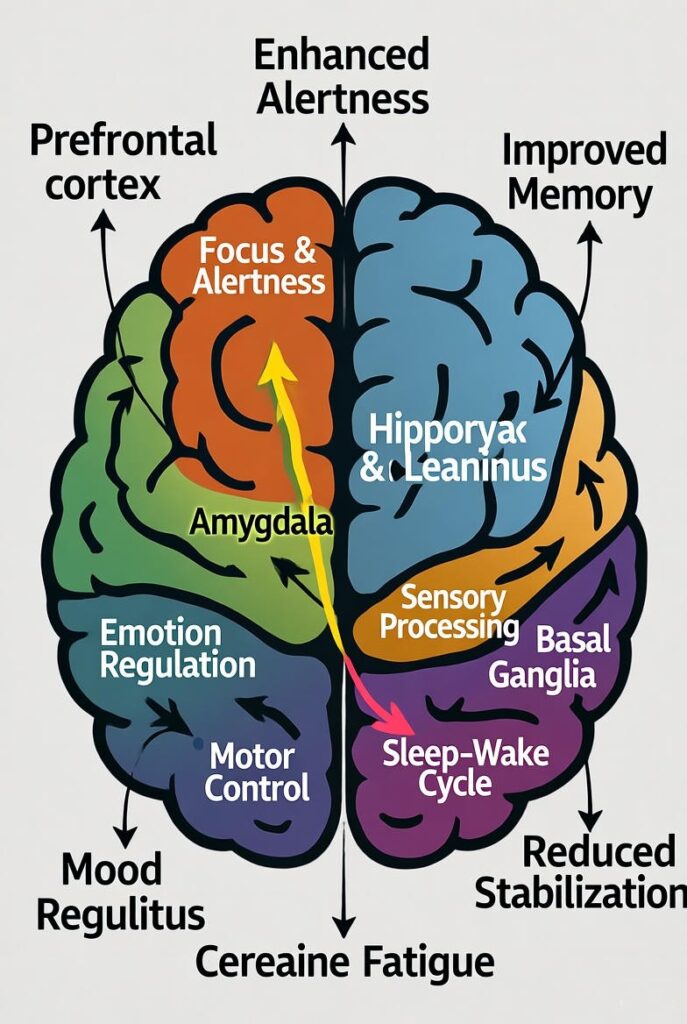
Regular consumption of coffee has been linked to improved cognitive performance. The caffeine content, especially notable in robusta beans, stimulates the central nervous system, enhancing focus and alertness. For those who grind coffee beans to a fine consistency for espresso or a medium grind for drip brewing, the ritual of preparing coffee can also serve as a mindful practice, further benefiting mental health.

Reduced Risk of Chronic Diseases

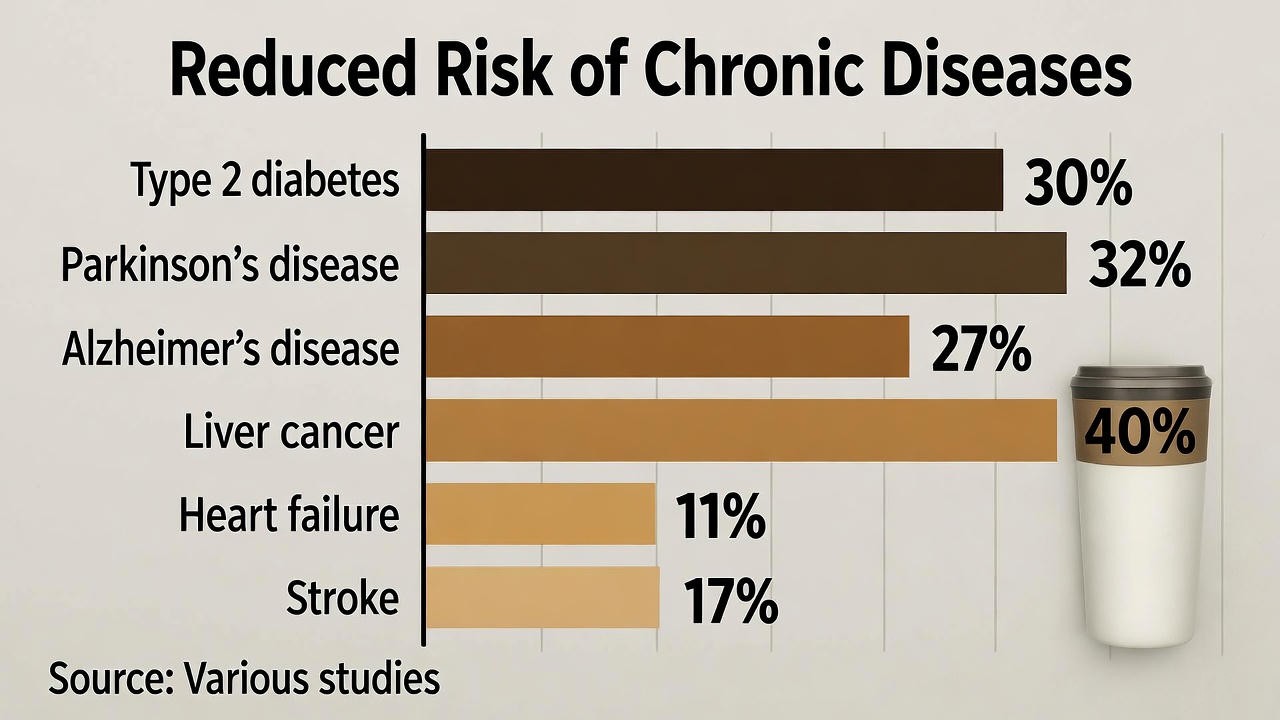
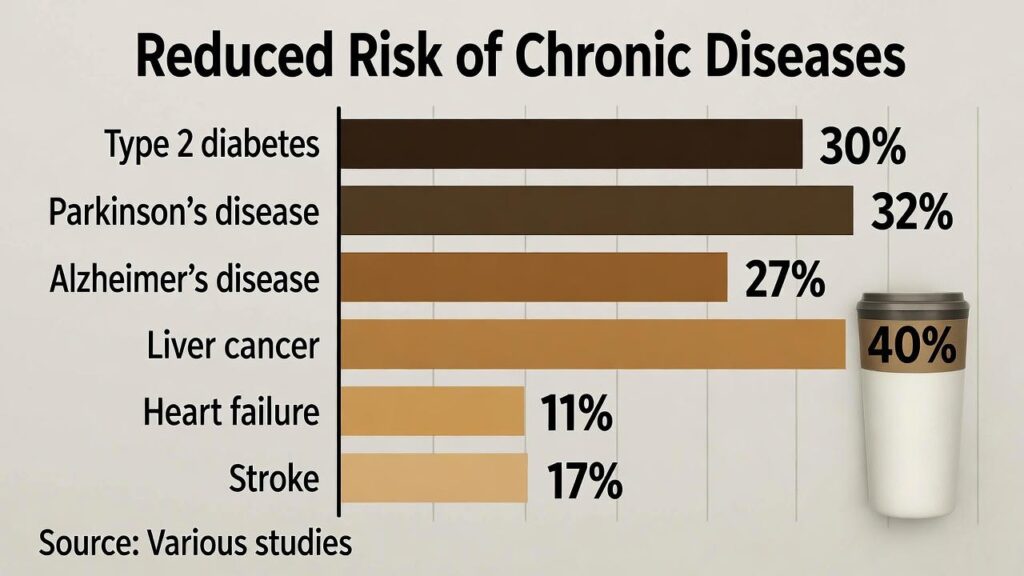
Research indicates that coffee may lower the risk of certain chronic conditions. The process of grinding coffee beans and brewing them, whether through a pour-over method or an espresso machine, preserves beneficial compounds that may reduce the incidence of type 2 diabetes and neurodegenerative diseases like Parkinson’s. The best way to grind coffee beans—using a burr grinder for uniformity—ensures optimal extraction of these health-promoting elements.

Physical Performance Boost

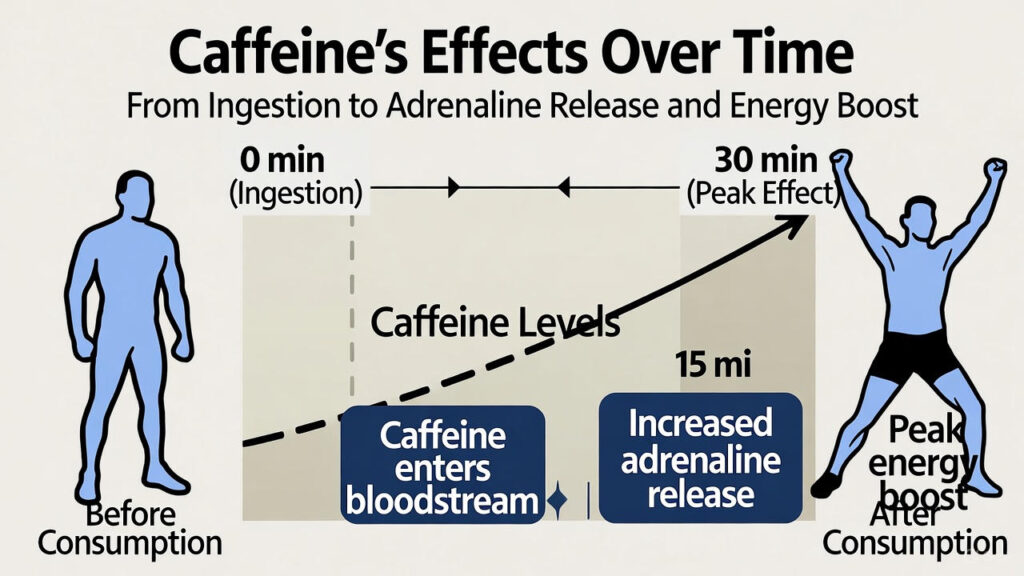
Caffeine, a key component of coffee, is known to enhance physical performance by increasing adrenaline levels. Athletes often use coffee as a natural stimulant before exercise. Whether you crush coffee beans coarsely for a French press or grind them finely for a concentrated shot, the resulting brew can provide an energy boost, making it a popular choice for those seeking to optimize their workouts.

The health benefits of coffee, from its antioxidant properties to its potential to enhance cognitive and physical performance, make it a valuable addition to a balanced lifestyle. By mastering how to grind whole bean coffee and experimenting with different brewing techniques, individuals can maximize these advantages. Whether you choose to grind coffee beans at home or explore creative ways to grind coffee beans, the journey from bean to cup offers both pleasure and wellness.

To join our mailing list and never miss event update!

Please enable JavaScript in your browser to complete this form.
Posted on Leave a comment

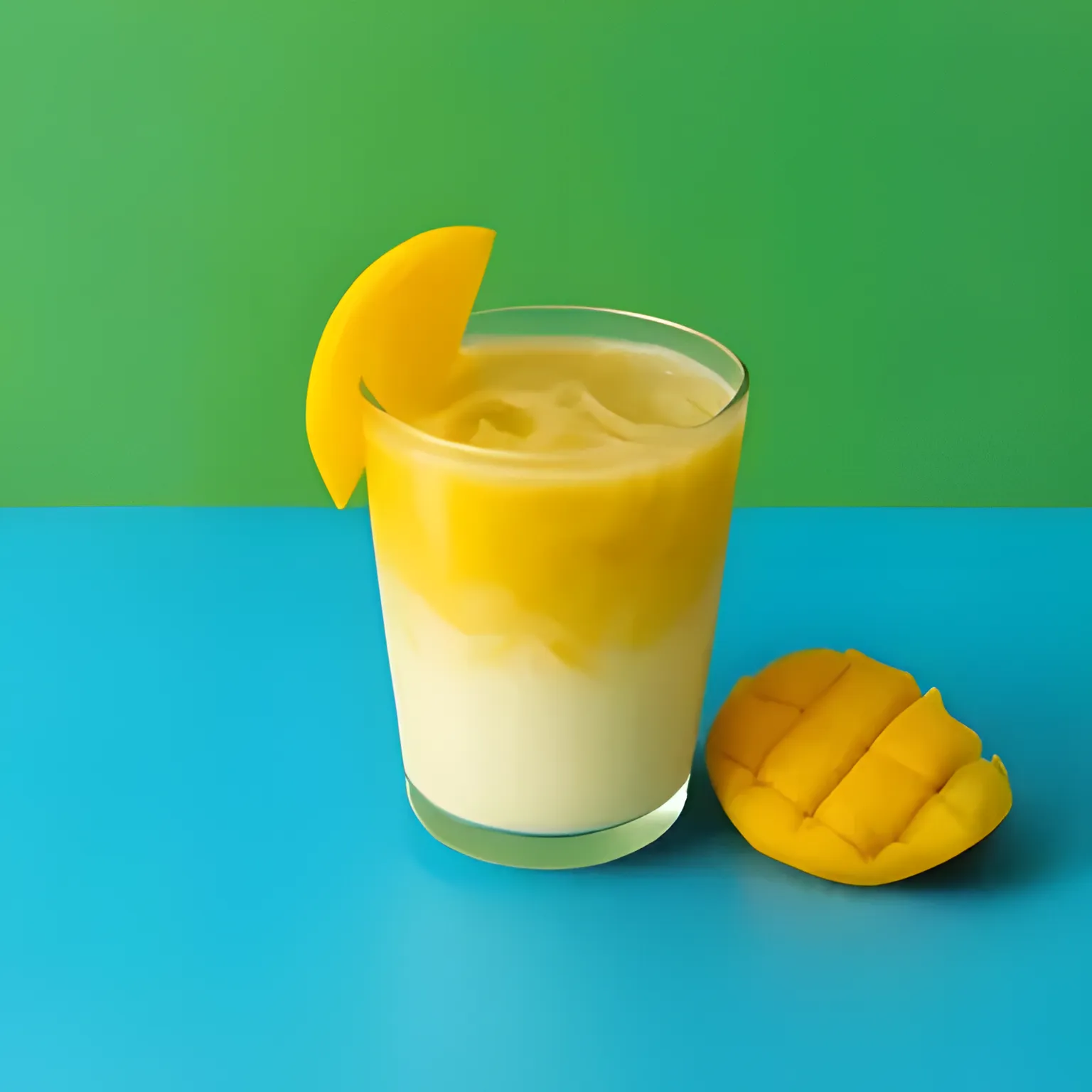
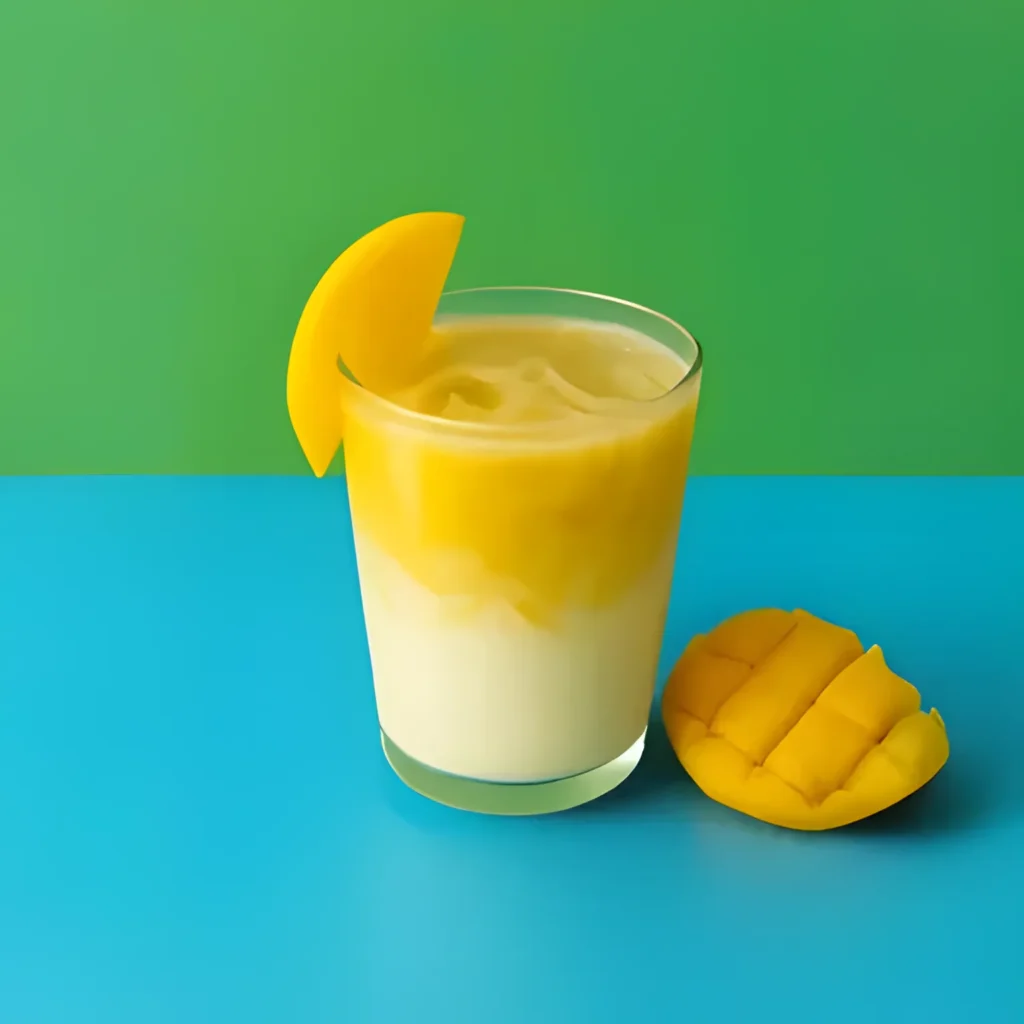
What does mango coconut latte flavor taste like?

Mango Coconut Latte

Mango Coconut Latte is a tropical and creamy beverage that combines the rich flavor of espresso with the sweet essence of mango and the smooth texture of coconut milk. This drink provides a harmonious blend of coffee strength and exotic fruitiness, ideal for those seeking a unique and refreshing coffee experience.

5 mins

Easy

Iced

4.5 stars

Ingredients

Directions​

1. Brew a shot of espresso using your espresso machine.
2. Fill a glass with ice cubes to chill.
3. Pour the mango puree into the glass over the ice cubes.
4. Slowly pour the coconut milk into the glass, creating a layered effect.
5. Add the freshly brewed espresso on top of the coconut milk, allowing it to blend naturally.
6. Stir gently before drinking and enjoy the refreshing combination of espresso, mango puree, and coconut milk.

Tip

Mango Coconut Latte vs. Other Coffee Drinks
If you’re looking to enjoy a creamy, tropical coffee drink with a rich flavor that contrasts beautifully with the strong taste of the espresso, the Mango Coconut Latte is a must-try!

More Recipes

Posted on Leave a comment

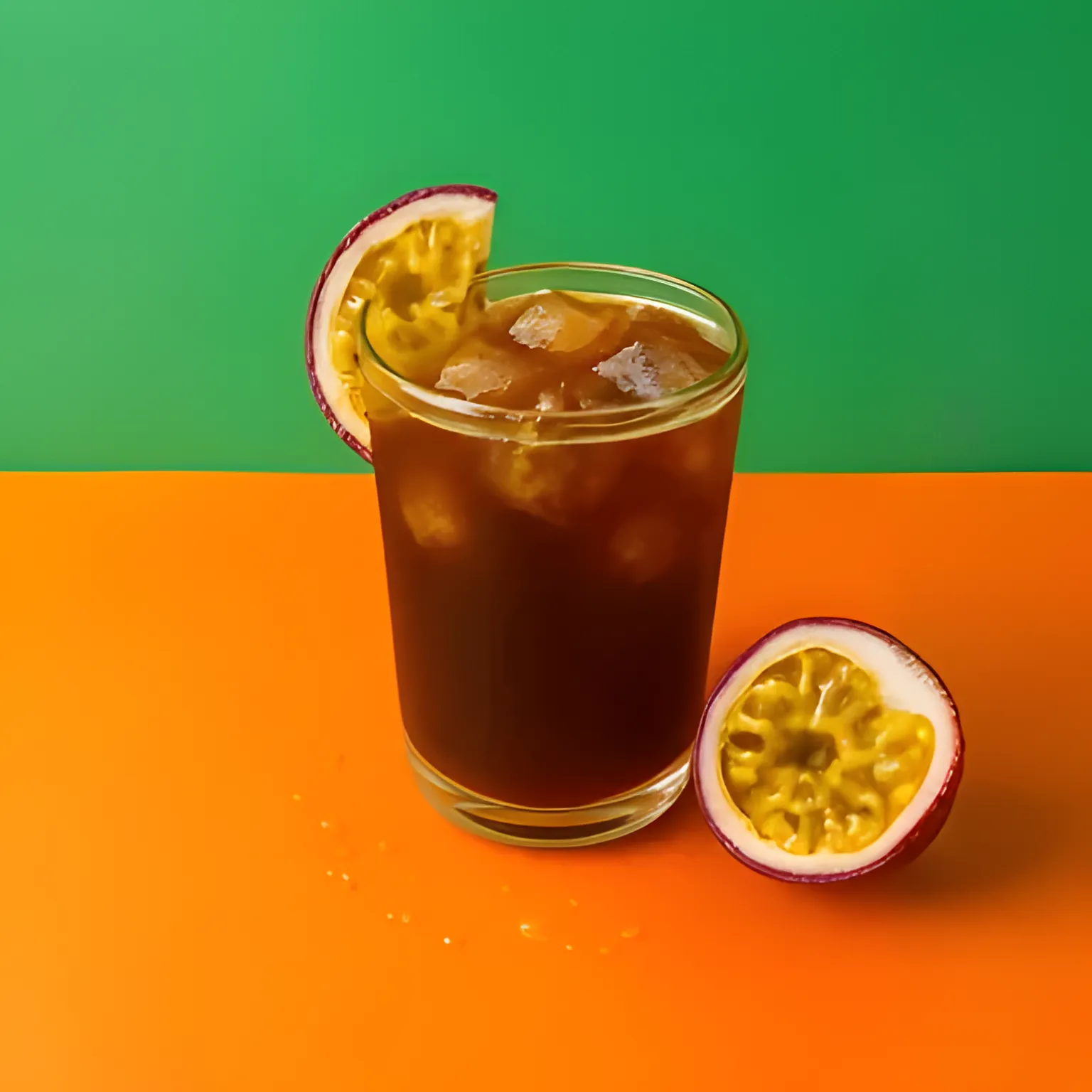
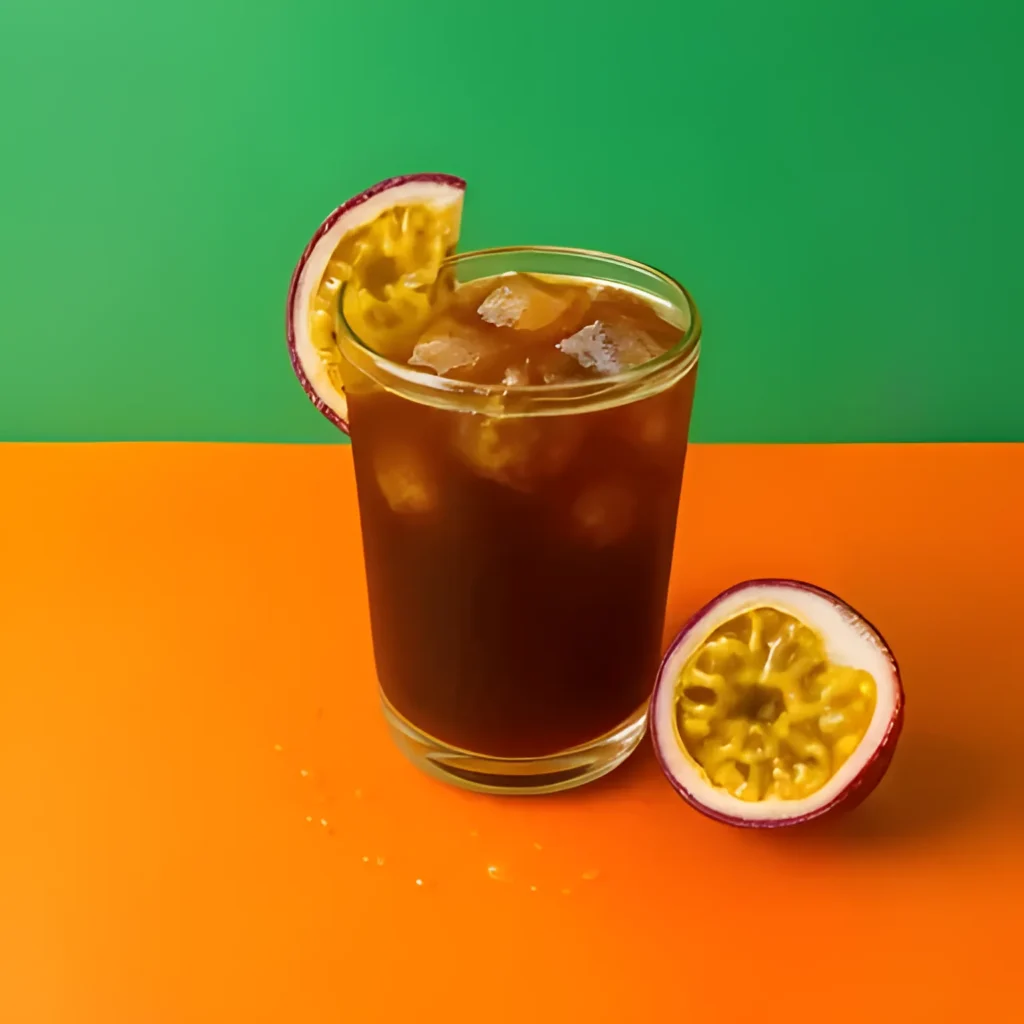
What does passionfruit flavor taste like?

Passionfruit Americano

Passionfruit Americano is a refreshing and tangy coffee beverage that blends the robust flavor of espresso with the exotic taste of passionfruit. This drink offers a unique fusion of coffee bitterness and tropical sweetness, making it an excellent choice for those seeking a distinctive coffee experience.

5 mins

Easy

Iced

4.5 stars

Ingredients

Directions​

1. Brew two shots of espresso using your espresso machine.
2. Fill a glass with ice cubes to chill.
3. Pour the passionfruit puree into the glass over the ice cubes.
4. Add the cold water to the glass, stirring gently to mix with the puree.
5. Pour the freshly brewed espresso over the mixture, allowing it to blend naturally.
6. Stir gently before drinking and enjoy the invigorating combination of espresso and passionfruit.

Tip

Passionfruit Americano vs. Other Coffee Drinks
If you’re looking to enjoy a lighter, more exotic coffee drink with a tropical twist that complements the strong flavor of the espresso, the Passionfruit Americano is a must-try!

More Recipes

Posted on Leave a comment

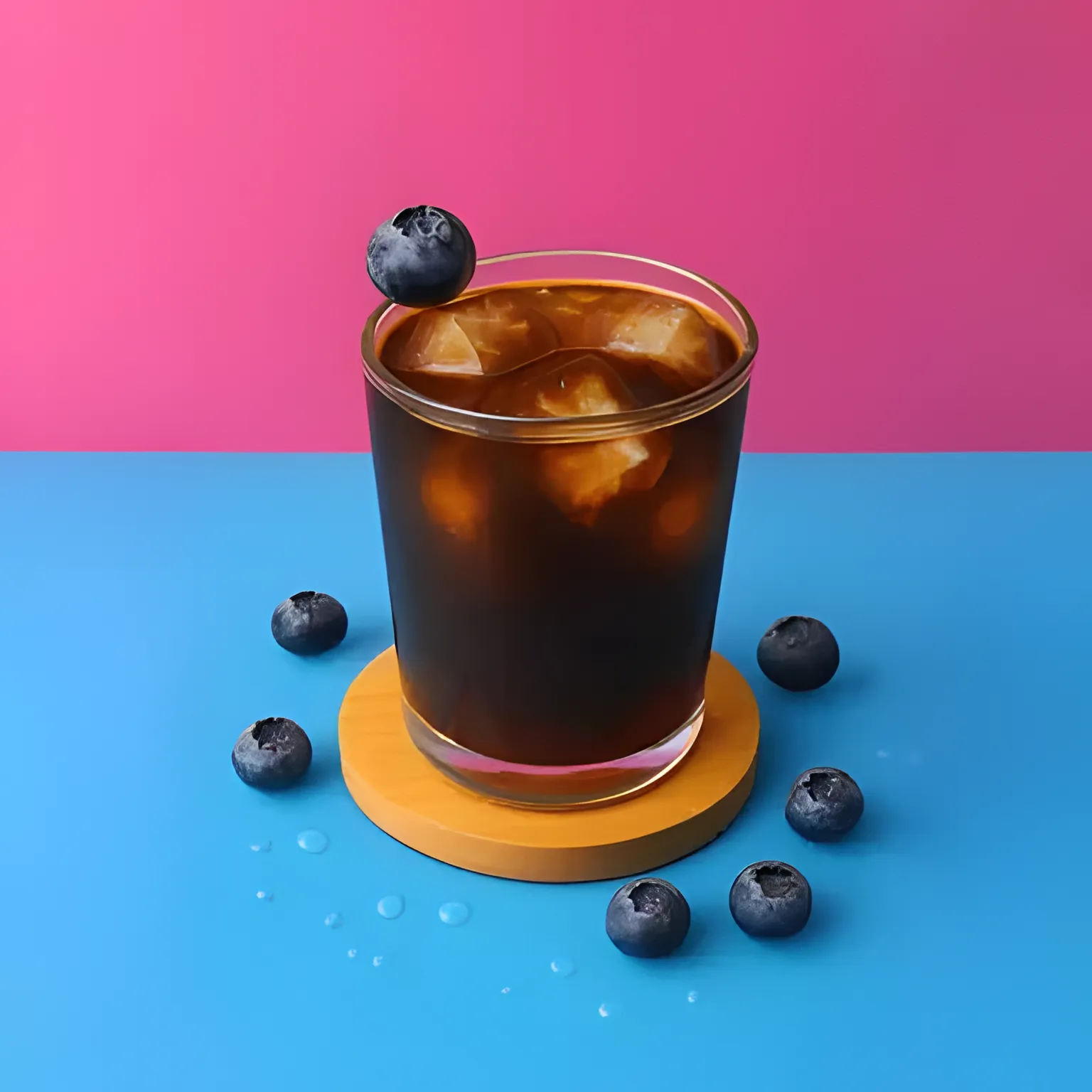
What does Blueberry Cold Brew taste like?

Blueberry Cold Brew

Blueberry Cold Brew is a refreshing twist on traditional iced coffee — a smooth, low-acid brew infused with the natural sweetness of blueberries. Perfect for hot summer days, this drink balances fruity aroma with the deep richness of coffee. Whether you prefer organic blueberry coffee beans or a blueberry flavored coffee syrup, this recipe gives you café-quality flavor right at home.

If you’re searching for the best blueberry coffee nearby, this homemade version will save you the trip — and might just become your new favorite.

10 mins

Easy

Iced

4.8 stars

Ingredients

Directions​

1. Brew the cold brew:
Combine coffee grounds and cold water in a jar or French press. Stir well and cover.
2. Steep overnight:
Let it steep for 12–16 hours in the refrigerator to extract rich flavor.
3. Strain and mix:
Filter through a fine mesh or coffee filter into a clean jar.
4. Add blueberry twist:
Stir in blueberry syrup or gently muddled fresh blueberries for natural sweetness.
5.Serve over ice:
Pour your blueberry cold brew into a glass filled with ice. Add milk or syrup as desired.

Tip

To make a blueberry crumble coffee, top with whipped cream and sprinkle crushed graham crackers.
For a lighter taste, try organic blueberry coffee beans or mix with sparkling water for a fizzy twist.
If you love fruity cold brews, this is one of the best blueberry coffee recipes to start with.

More Recipes

Posted on Leave a comment

How to Grind Coffee Beans?

How to Grind Coffee Beans?

How to Grind Coffee Beans?

Grinding coffee beans is an essential step to enhance the flavor and aroma of your brew. This guide provides a comprehensive approach to grinding coffee beans, addressing various methods and considerations to achieve the desired consistency. Below are detailed steps and options to assist you in this process.

Understanding the Basics

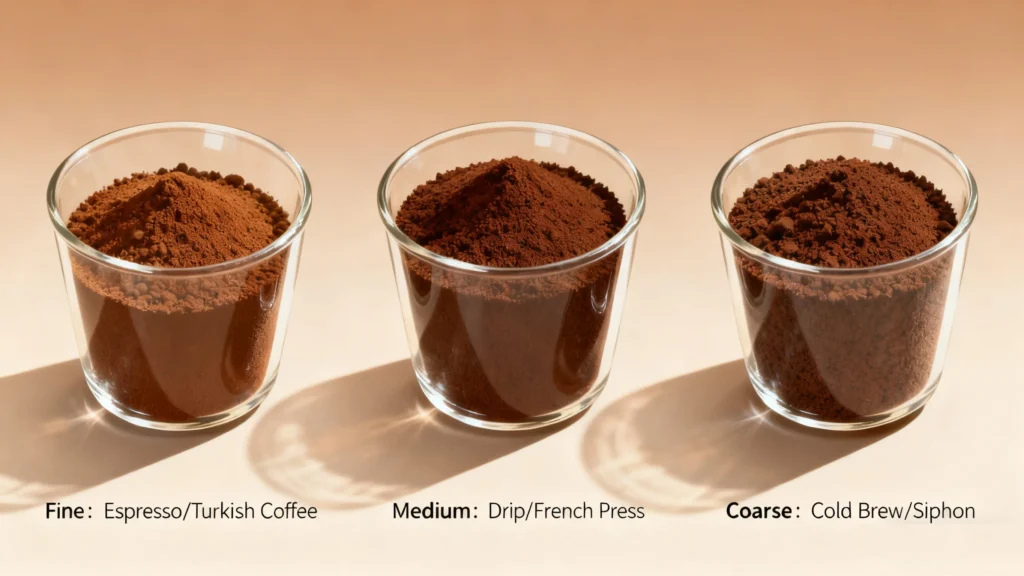
To begin, it is important to recognize that the quality of your coffee depends significantly on how you grind coffee beans. The grind size affects extraction time and flavor profile, making it crucial to select the appropriate method based on your brewing technique (e.g., espresso, drip, or French press).

Methods to Grind Coffee Beans

  • Using a Coffee Grinder
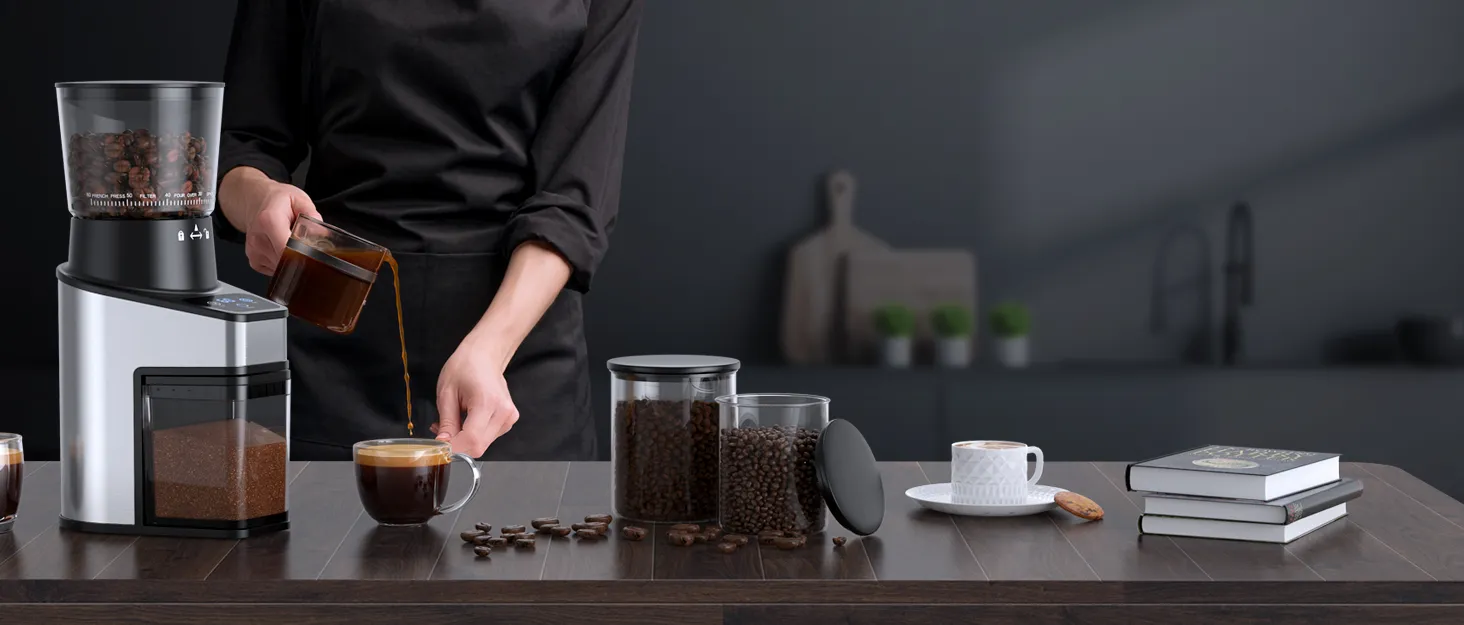
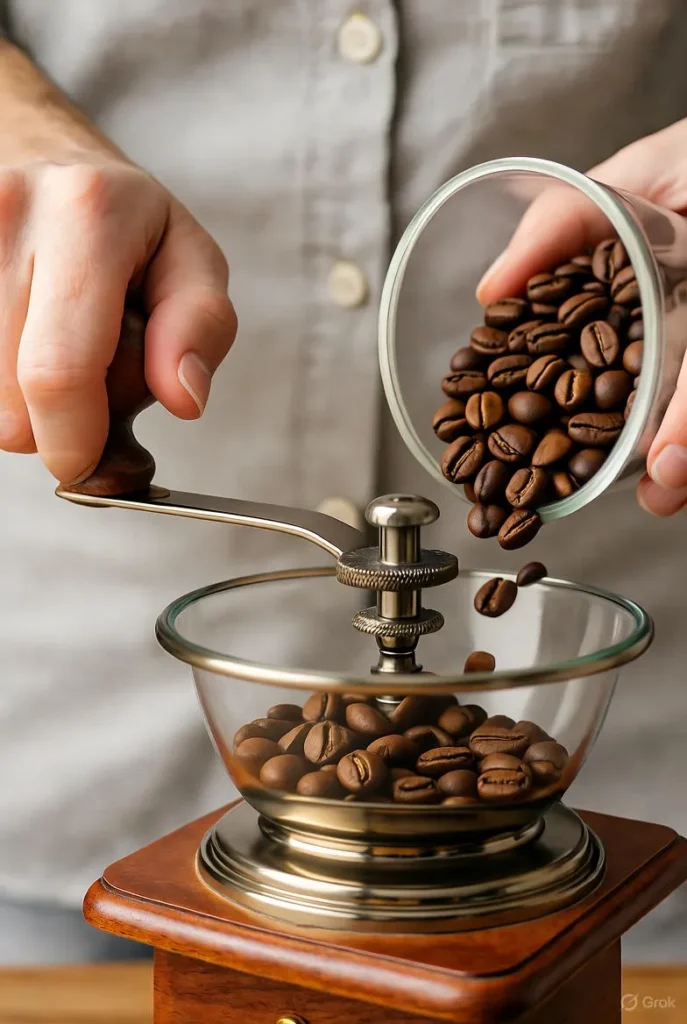
    • Manual Grinder: Ideal for precision, a manual grinder allows you to control the grind size. Place the coffee beans in the hopper, turn the handle, and collect the ground beans. This is a cost-effective way to grind coffee beans at home.
    • Electric Grinder: For convenience, an electric grinder offers consistent results. Add beans to the chamber, select the desired setting, and let the machine operate. This method is suitable for grinding coffee beans in larger quantities.
  • How to Grind Coffee Beans Without a Grinder
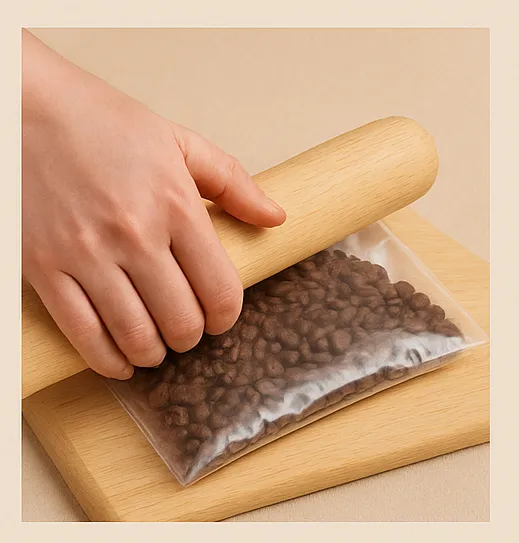
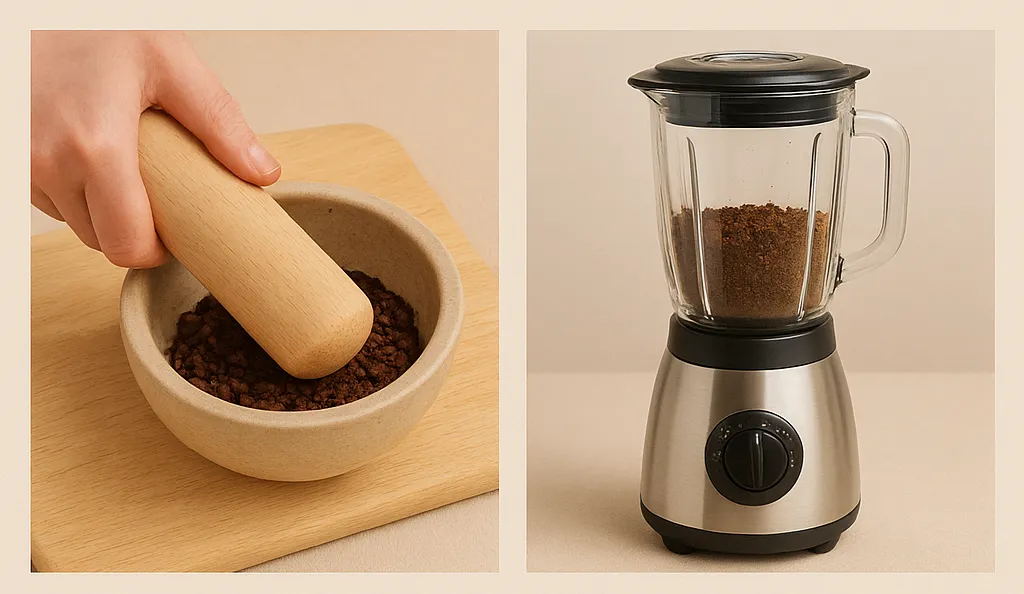
    • If you lack a grinder, alternative tools can be employed. Use a mortar and pestle to crush coffee beans manually, applying steady pressure to achieve a coarse grind. Alternatively, place beans in a plastic bag and use a rolling pin to grind beans, ensuring even pressure for a uniform texture.
    • A blender can also work; pulse the beans in short bursts to avoid over-processing.
  • Best Way to Grind Coffee Beans
    • The best approach depends on your equipment and preference. For optimal flavor, use a burr grinder (manual or electric) as it produces a uniform grind. Adjust the settings to match your brew method: fine for espresso, medium for drip, and coarse for French press.

Practical Tips

  • How to Crush Coffee Beans: If a coarser grind is needed, lightly crush coffee beans with a rolling pin or mallet before using a grinder for finer adjustment.
  • Where to Grind Coffee Beans: You can grind coffee without a coffee grinder at home using the aforementioned tools. For free options, some local cafes or grocery stores offer grinding services.
  • Where Can I Grind My Coffee Beans: Check with nearby coffee shops where you can grind my coffee beans for a small fee or, in some cases, for free. Specialty stores often provide this service.
  • What Can I Use to Grind Coffee Beans: Beyond grinders, consider using a food processor, hammer, or even a sturdy spice grinder as viable alternatives.

Conclusion

Mastering how to grind whole bean coffee ensures a fresh and flavorful cup. Whether you choose to grind coffee beans at home with a dedicated grinder or explore creative ways to grind coffee beans without a grinder, consistency and freshness are key. Experiment with these techniques to find the best way to grind coffee beans that suits your taste and available resources.

To join our mailing list and never miss event update!

Please enable JavaScript in your browser to complete this form.
Posted on Leave a comment

What does Apple Cinnamon Latte taste like?

Apple Cinnamon Latte

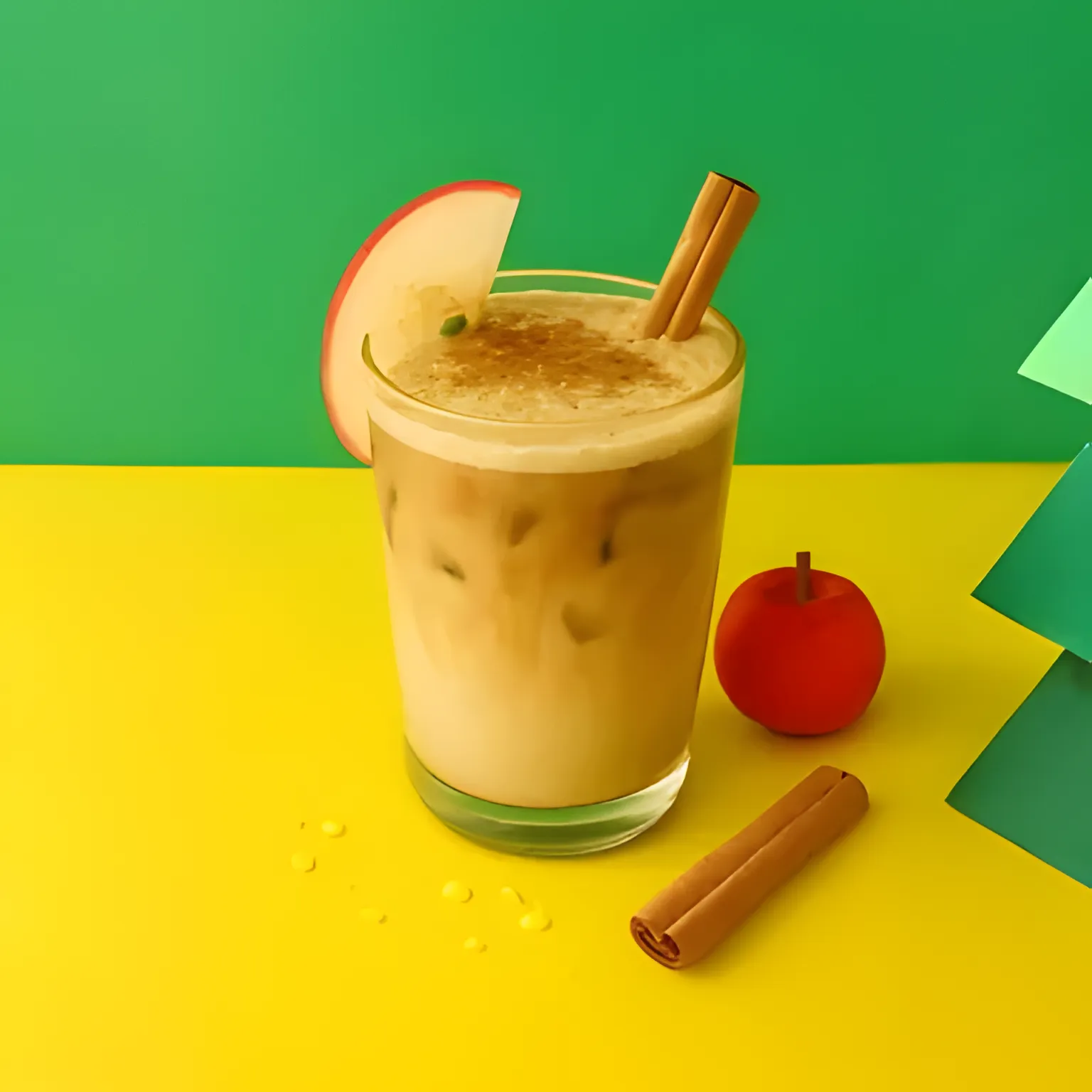
The Apple Cinnamon Latte is a cozy, autumn-inspired drink that blends the warmth of spiced cinnamon with the comforting sweetness of caramelized apples. Whether you’re recreating the famous caramel apple cream latte Starbucks recipe or crafting your own signature version at home, this latte captures the essence of fall in every sip.

Unlike the usual caramel apple coffee recipe, this version adds a smooth layer of steamed milk and a hint of cinnamon cream, creating a balanced blend of fruity brightness and creamy indulgence. Perfect for mornings, coffee dates, or any time you crave a comforting treat.

8 mins

Easy

Hot

4.9 stars

Ingredients

Directions​

1. Brew the base: Prepare your espresso or strong coffee.
2. Heat and mix: In a small saucepan, heat milk, apple juice, caramel sauce, and cinnamon until warm and lightly frothy (do not boil).
3. Combine: Pour the espresso into a mug, then slowly add the apple-caramel milk mixture. Stir gently to blend.
4. Top it off: Add whipped cream, drizzle caramel sauce, and sprinkle a pinch of cinnamon.
5. Garnish (optional): Add a thin apple slice for a café-style finish.

Iced Version

To make an Iced Caramel Apple Cream Latte, simply chill the mixture and pour it over ice instead of steaming. This twist gives you that signature iced caramel apple cream latte Starbucks vibe — refreshing yet cozy.

Tip

Try using caramel apple flavored syrup to enhance the sweetness.
For a lighter version, use almond milk or oat milk.
Want that authentic caramel apple latte Starbucks flavor? Add a bit of vanilla extract to round out the aroma.
This is one of the easiest caramel apple latte recipes to make at home — and just as delicious as your café favorite.

More Recipes