The Potential Side Effects of Coffee on Heart Health: Insights for Coffee Enthusiasts

The Potential Side Effects of Coffee on Heart Health: Insights for Coffee Enthusiasts

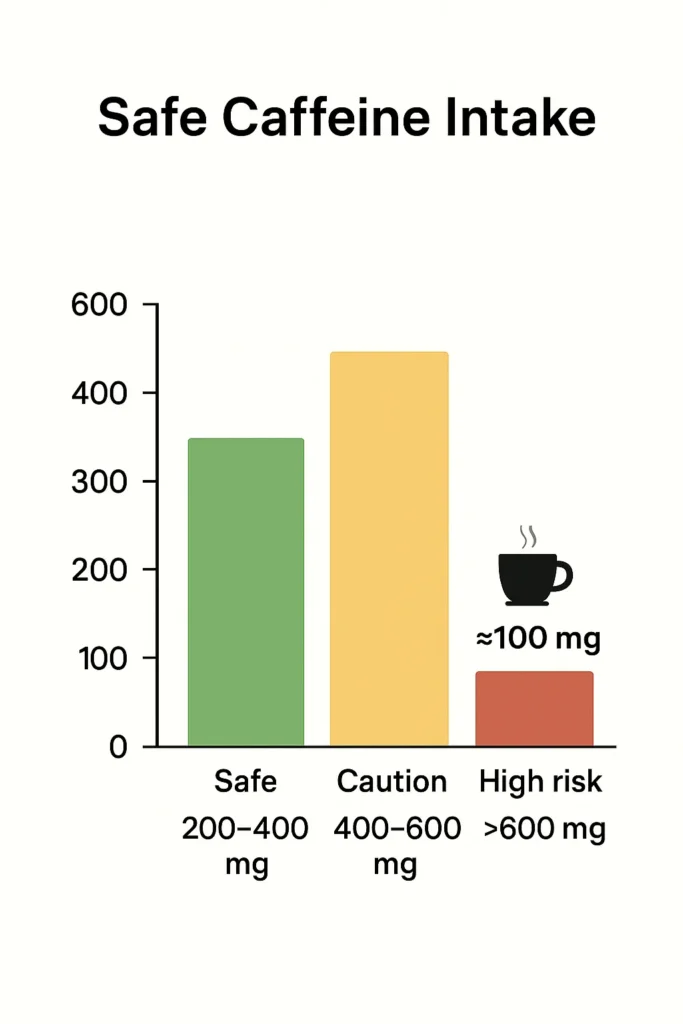
Coffee remains one of the most cherished beverages worldwide, prized for its invigorating aroma and energizing properties. However, for individuals sensitive to its primary active compound, caffeine, consumption may introduce certain cardiovascular risks. This article examines the potential side effects of coffee on heart health, drawing from established medical research. While moderate intake—typically up to 400 mg of caffeine daily, equivalent to about four cups of brewed coffee—is generally safe for most adults, excessive or sensitive consumption can lead to elevated heart rate after eating, heart palpitations, and other concerns. Understanding these effects empowers consumers to make informed choices.

Understanding Caffeine's Mechanism on the Cardiovascular System

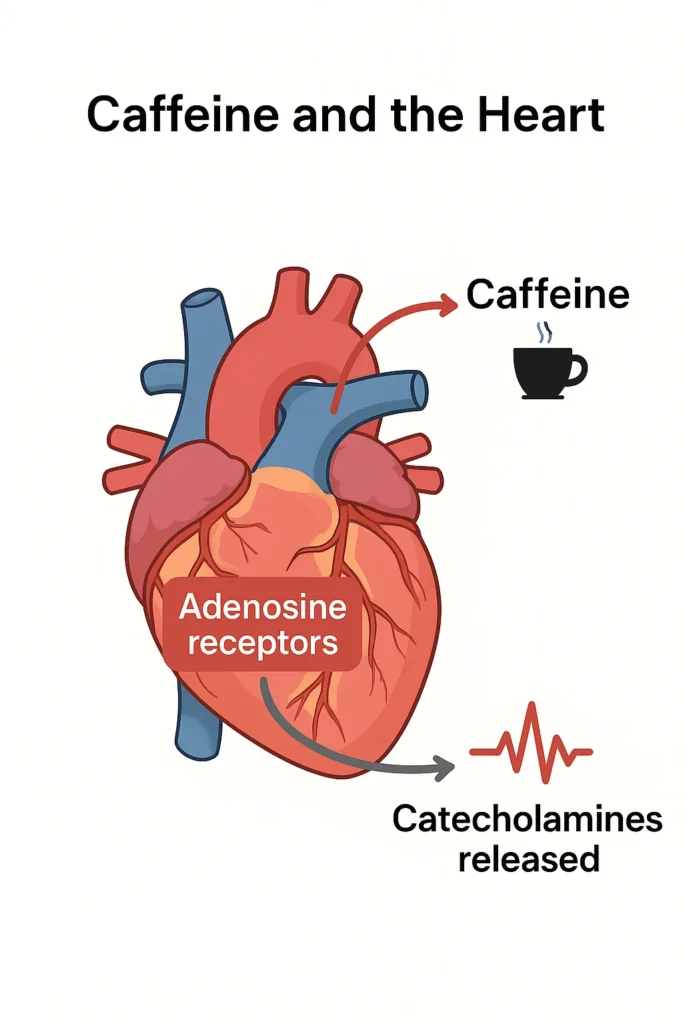
Caffeine, a central nervous system stimulant, influences the heart by blocking adenosine receptors, which normally promote relaxation and vasodilation. This antagonism triggers the release of catecholamines such as norepinephrine, resulting in heightened sympathetic nervous system activity. Consequently, it can elevate heart rate and blood pressure temporarily, particularly in non-habitual users or those with underlying sensitivities. Studies indicate that caffeine may also inhibit phosphodiesterase enzymes, increasing cyclic AMP levels and enhancing cardiac contractility, which amplifies the force of heartbeats. For many, these changes are benign and transient, but in susceptible individuals, they manifest as noticeable symptoms.

Key Side Effects: Heart Rate Elevation and Palpitations

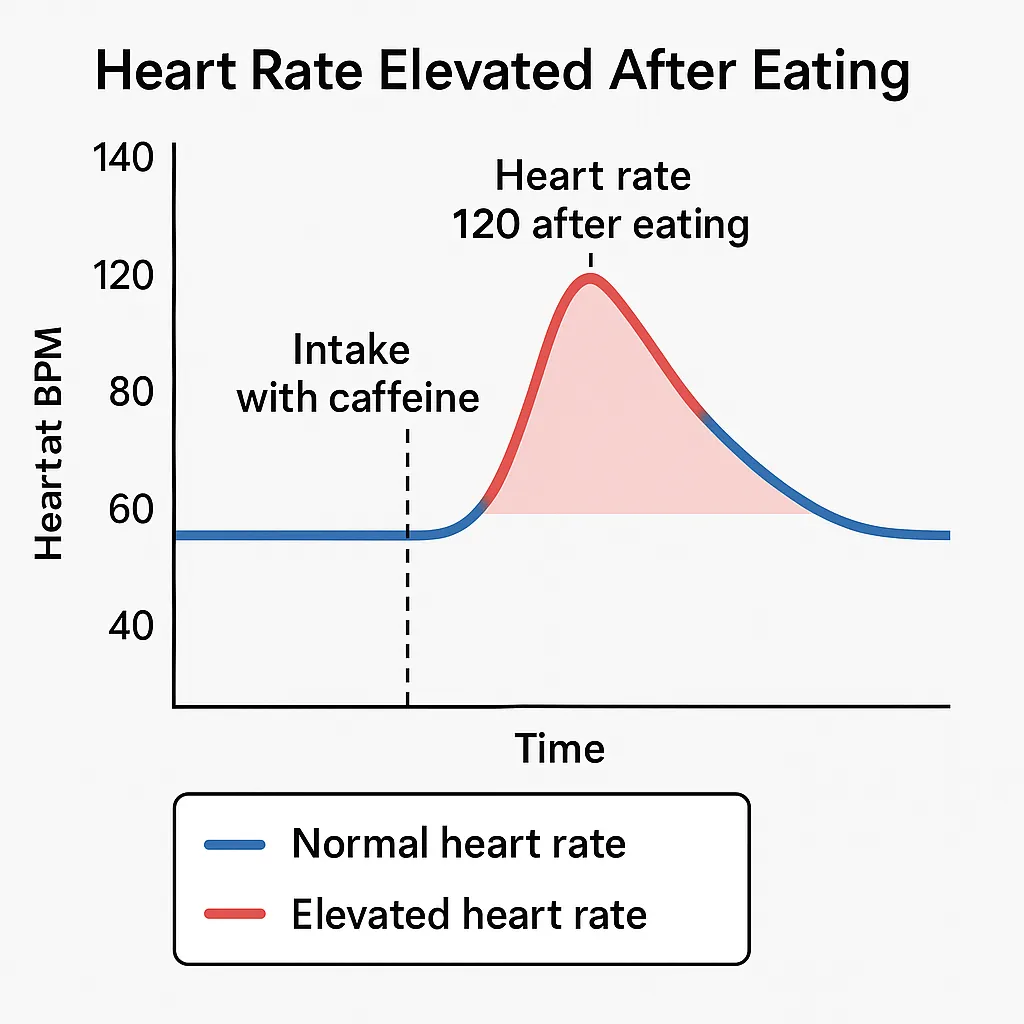
One of the most commonly reported issues is an increased heart rate after eating, particularly when coffee is consumed alongside meals. Postprandial heart rate elevation occurs as the body redirects blood flow to the digestive system, a process that caffeine can exacerbate by stimulating adrenaline release. Research shows that caffeine can raise systolic and diastolic blood pressure acutely, with additive effects during stress or digestion, potentially leading to a heart rate of 120 after eating in sensitive cases. This phenomenon, often described as heart rate rises after eating or heart rate elevated after eating, is more pronounced in those with borderline hypertension or a family history of cardiovascular issues.

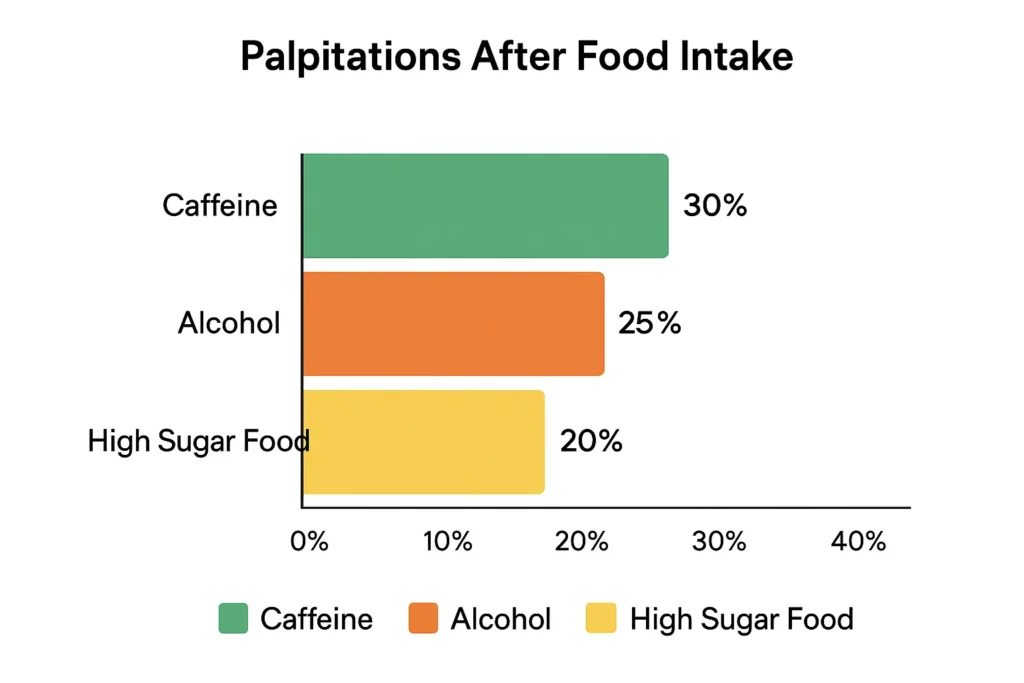
Heart palpitations, or irregular sensations of fluttering or pounding, represent another frequent concern. Caffeine heart palpitations arise from premature ventricular contractions (PVCs), where the heart skips beats, potentially increasing by up to 54% on days of higher intake. Does caffeine increase heart rate? Affirmatively, it does, especially at doses exceeding 300 mg, though tolerance develops over time in regular consumers. For some, this manifests as palpitations after food intake, compounded by coffee’s interaction with dietary stimulants.

Additionally, caffeine may contribute to chest pain in rare instances, often misattributed to cardiac events but linked to heightened vascular tone or esophageal spasms induced by stimulation. Can caffeine cause chest pain? While not a direct cause of structural damage, it can mimic such symptoms through elevated blood pressure and heart rate.

Is Caffeine Bad for Your Heart? A Balanced Perspective

The query “is caffeine bad for your heart” elicits a nuanced response: no, for the majority, but yes for specific subgroups. Moderate coffee consumption correlates with reduced risks of coronary heart disease and stroke, attributed to antioxidants like polyphenols that mitigate inflammation. Is coffee good for your heart? Evidence suggests benefits at 1-3 cups daily, including lower incidence of atrial fibrillation over time. However, chronic high intake (>600 mg/day) disrupts parasympathetic recovery, sustaining elevated heart rate and blood pressure post-activity, heightening cardiovascular disease risk.

High heart rate after eating or heart rate increase after eating is a common variant, often benign but warranting attention if persistent. Does heart rate increase after eating? Yes, physiologically, due to digestive demands, but caffeine amplifies this in vulnerable populations.

Foods to Avoid if You Have Heart Palpitations

To mitigate risks, particularly for those with heart palpitations, certain dietary adjustments are advisable. Foods to avoid if you have heart palpitations include:

Foods to Avoid for Heart Palpitations
Category Examples Rationale
High-Caffeine Beverages Coffee, energy drinks, black tea Stimulates heart rate and can trigger palpitations.
Alcohol Wine, beer, spirits Dehydrates and disrupts electrolytes, exacerbating irregular rhythms.
Sugary Foods Candies, sodas, pastries Causes blood sugar spikes, leading to compensatory heart rate surges.
Spicy Foods Chili peppers, wasabi Capsaicin activates adrenaline, mimicking caffeine's effects.
High-Sodium Processed Items Deli meats, canned soups Promotes fluid retention and hypertension, straining the heart.
Tyramine-Rich Foods Aged cheeses, cured meats Elevates blood pressure via catecholamine release.

Palpitations after food intake can often be traced to these triggers, emphasizing the need for moderation.

Recommendations for Safe Consumption

For optimal heart health, limit caffeine to 200-400 mg daily, monitoring personal tolerance. Track symptoms via a journal to identify patterns, such as heart rate 120 after eating. Consult a healthcare professional if palpitations persist, especially alongside chest pain or shortness of breath, to rule out arrhythmias. Hydration, balanced meals, and stress management further support cardiovascular stability.

In summary, while coffee offers potential benefits, its side effects on heart health—particularly elevated heart rate and palpitations—underscore the value of mindful intake. By integrating these insights, enthusiasts can continue savoring their brew without undue risk.

To join our mailing list and never miss event update!

Please enable JavaScript in your browser to complete this form.

Register your product and enjoy 3 years of after-sales service.